

Skip to content

Our approach

Before we create anything, we listen.

Reputation Motion begins by understanding the surgeon: their training, their practice, and how they think about patient care. Only then do we consider what to film.
Sunlight falling across a quiet corridor in a modern medical building.
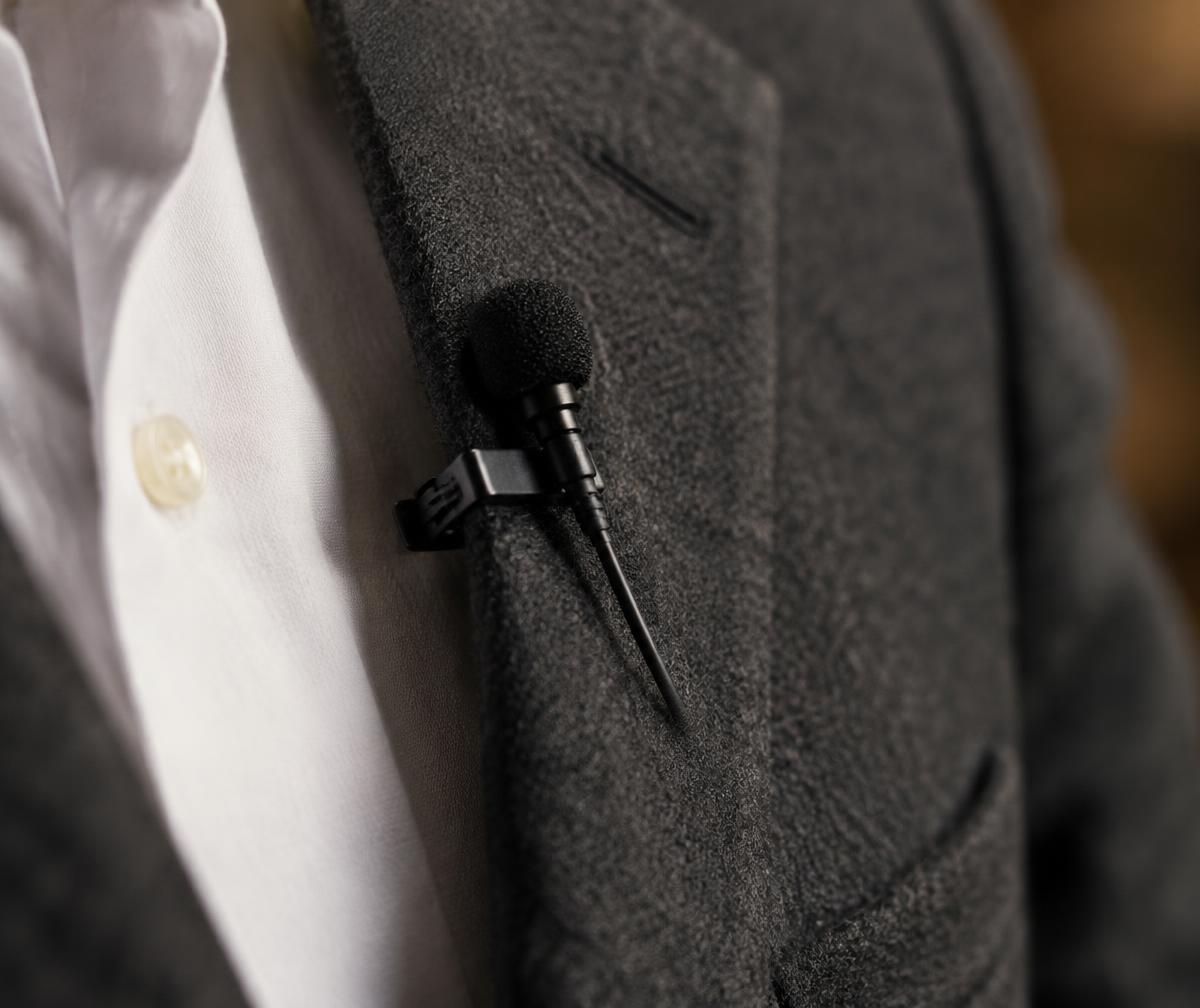
A small microphone clipped to the lapel of a suit jacket.

01

Understanding the person

Every project begins with time spent understanding you: your training, the path that led to your practice, and how you think about patient care.

We want to know what you believe good care looks like, which questions you find yourself answering most often, and what you wish more people understood before they arrive for a consultation.
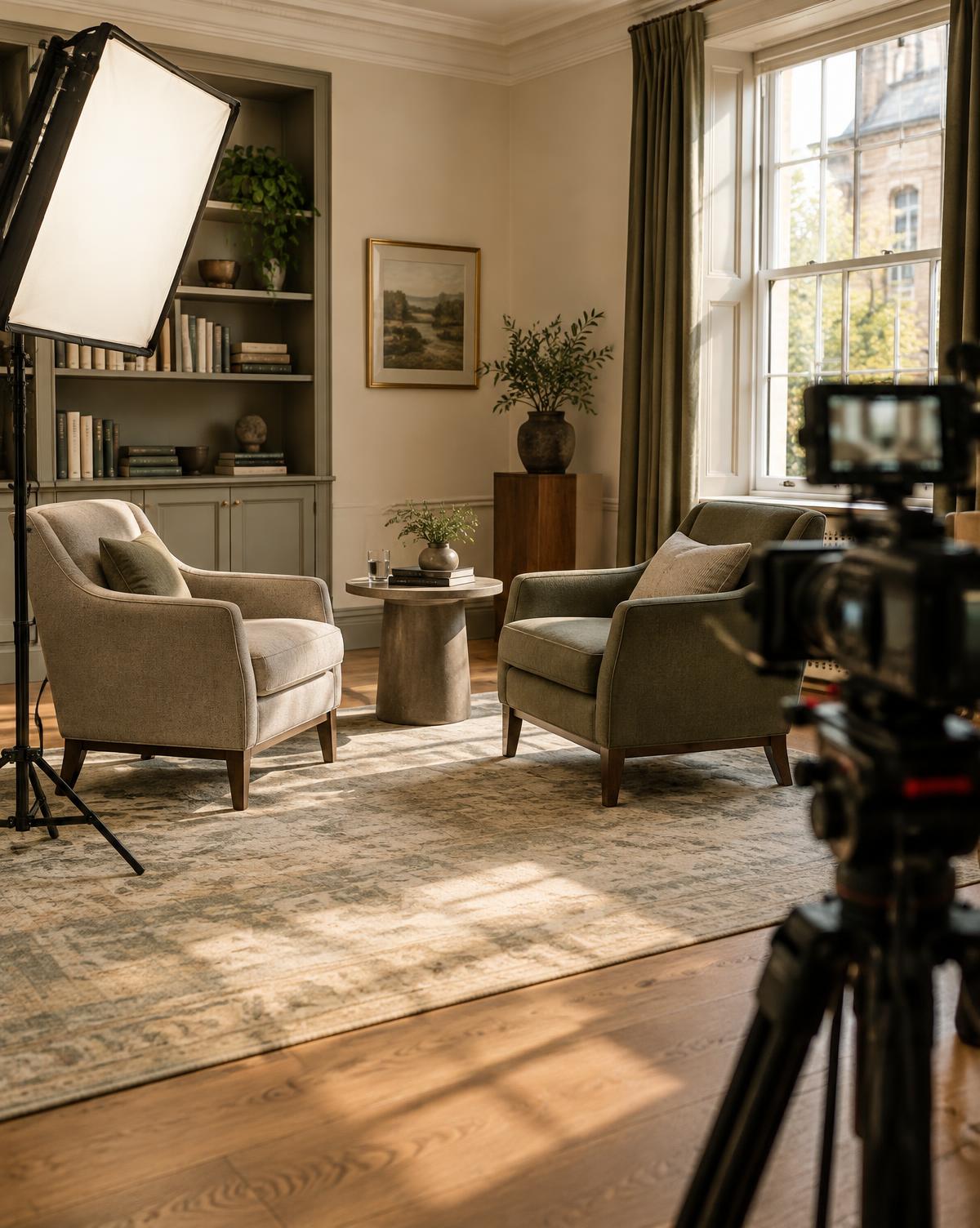
Two chairs arranged for a filmed conversation.

02

Discovering the important conversations

From those early conversations, we identify the themes worth exploring. Some will be personal: why you chose this specialty, what you have learned along the way. Others will be educational: the considerations, expectations and safety questions patients deserve clear answers to.

We prioritise what is genuinely useful over what is merely attention seeking.

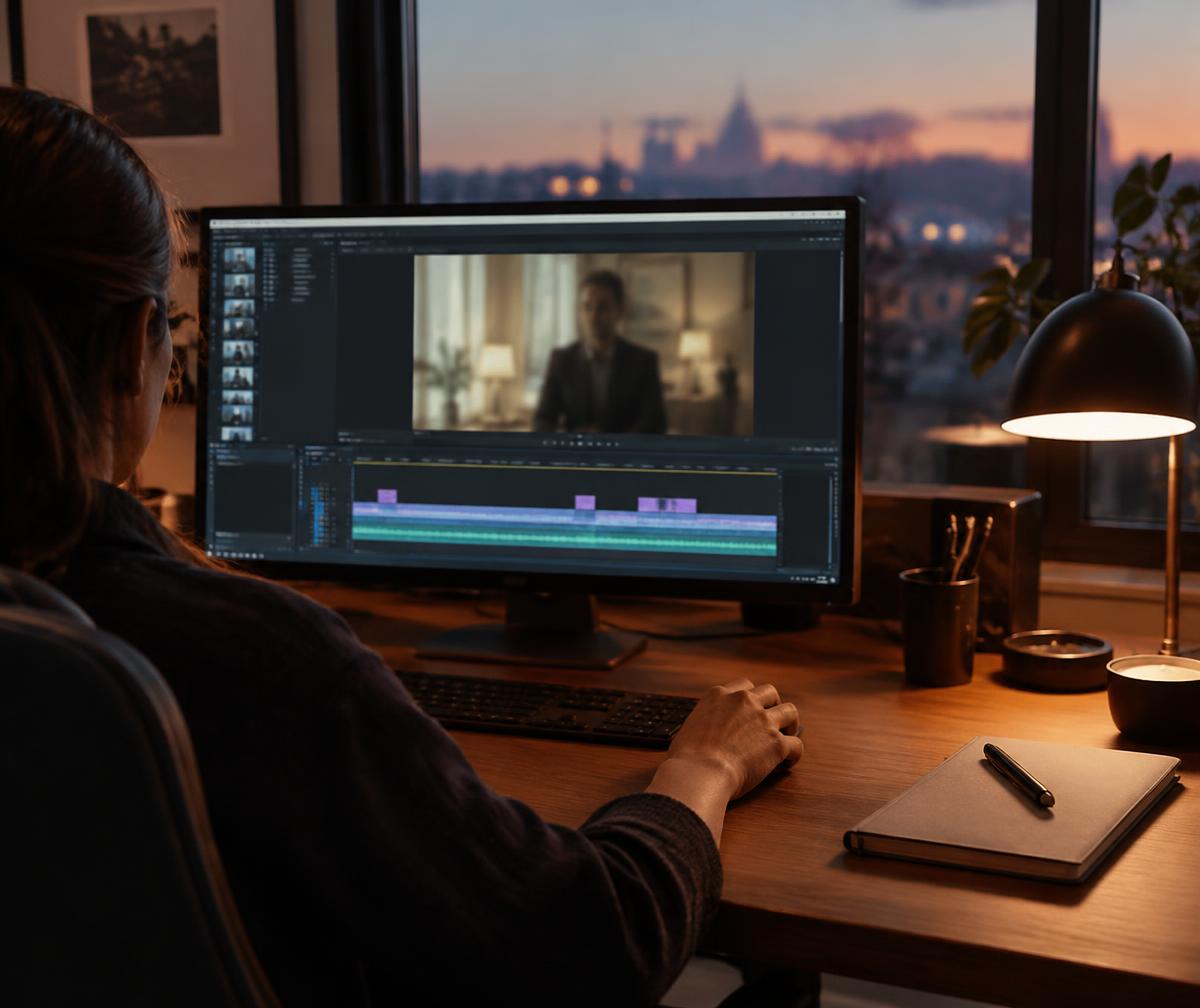
An editor reviewing interview footage at dusk.

03

Translating expertise into understandable content

Surgeons think with precision. Patients often need things explained more simply, without losing accuracy. We help structure your knowledge so that it lands clearly with a non-clinical audience.

Interviews are prepared, not scripted. You will know the themes in advance, but you will never be asked to memorise lines or perform a version of yourself that isn't real. The aim is a natural conversation, guided thoughtfully, so that your own voice comes through.

Sunlight across a quiet corridor in a medical building.

04

Producing with care

Filming is calm and unhurried. We work in your practice or another suitable setting, with professional lighting, sound and camera work that feels considered rather than theatrical.

We respect your schedule, your staff and your patients. No identifiable patient appears in any content without appropriate authorization, and all clinical information is reviewed and approved by you before anything is published.

An interview set prepared in a softly lit room.

05

Building a consistent professional presence

One good session can become a coherent body of work: an introductory film, educational pieces, a longer conversation, and shorter edits for the platforms you use.

Over time, this builds something more valuable than any single video: a consistent, recognisable professional presence that helps the right people understand who you are.

A guiding principle

The best professional stories are not invented. They're discovered.

Begin

Begin with a conversation about your practice.

There's no commitment in an introductory call. Just an opportunity to understand what you hope to communicate.